Inclusion phenomena during continuous casting processes

Inclusion phenomena during continuous casting processes

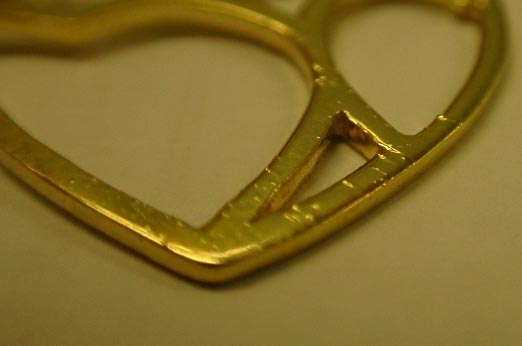
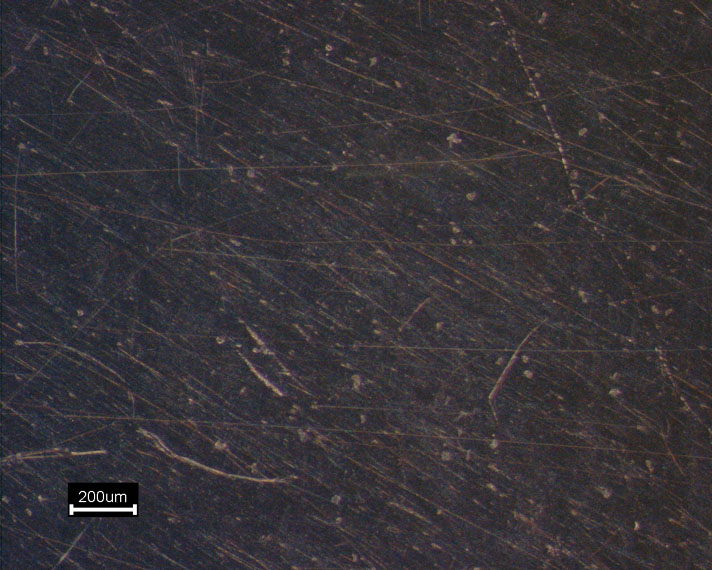
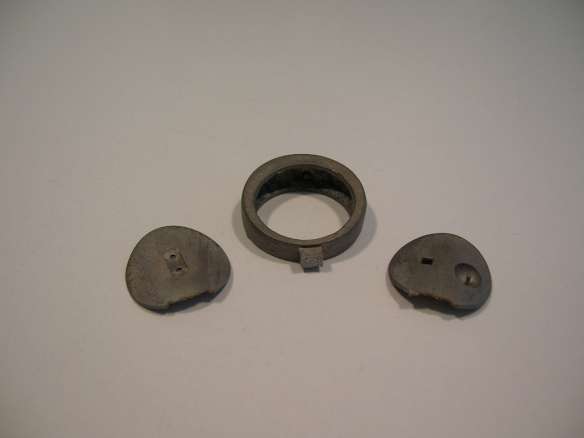
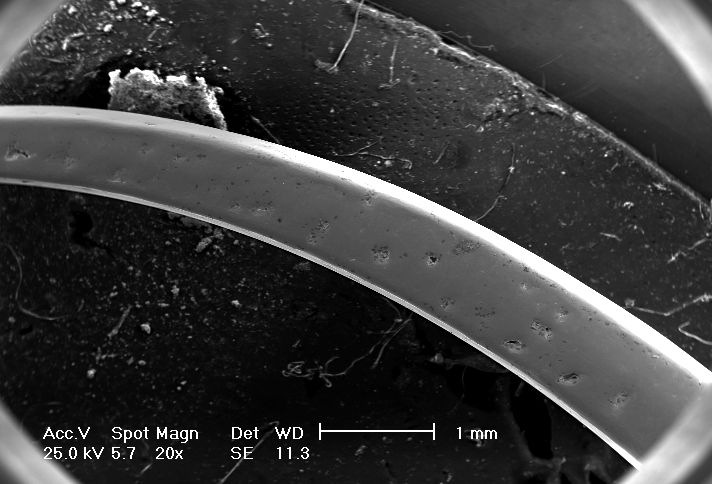
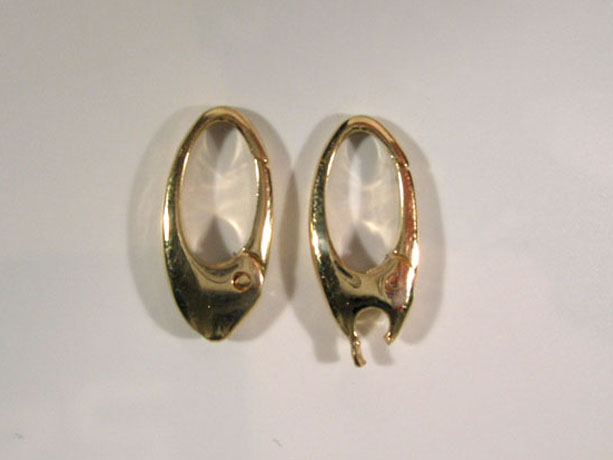
Graphite inclusions in continuous casting can seriously reduce the mechanical performance of precious metal profiles and lead to unexpected fractures during deformation. This case study explains how worn graphite components and machine downtime can introduce carbon-based contaminants into the alloy. Read the full analysis to learn how to prevent these failures.

Read more
Influence of gas porosity on surface quality

Influence of gas porosity on surface quality

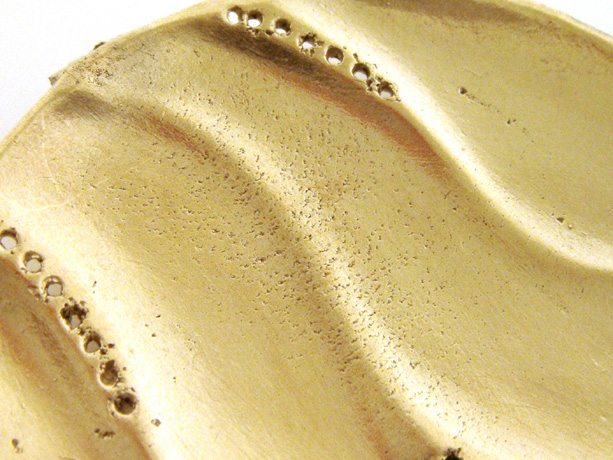
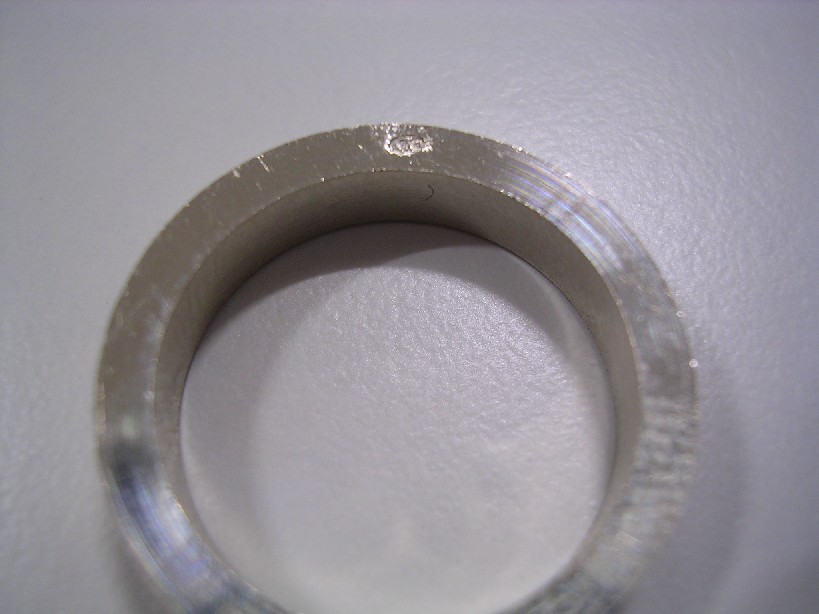
Gas porosity in investment casting is a common defect that can compromise the quality and appearance of cast components. This case study explains the main causes, from residual wax and investment reactions to inadequate vacuum performance, and provides practical solutions to reduce porosity. Read the full analysis to learn more.
Read more
Influence of homogeneity and purity of acid-washed objects

Influence of homogeneity and purity of acid-washed objects

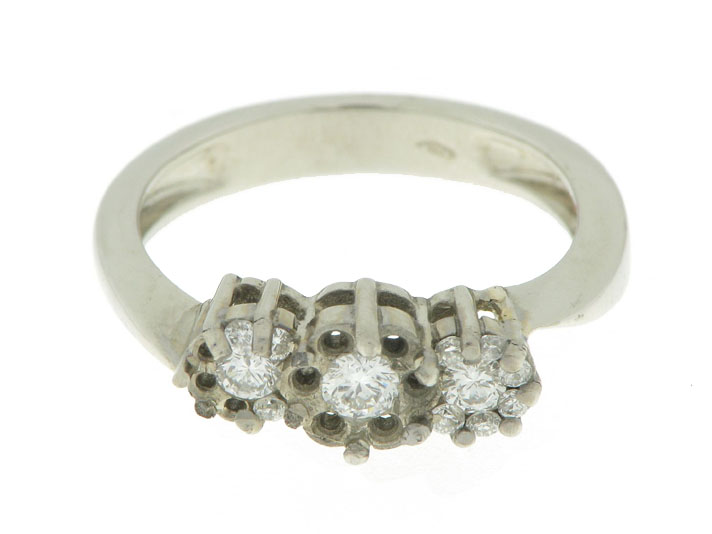
White gold pickling corrosion can occur when alloy contamination or compositional inhomogeneity makes certain areas more vulnerable to acid attack. This case study explains how impurities, oxides and uneven element distribution can cause discoloration and localized corrosion after pickling. Read the full analysis to learn how to prevent these defects.

Read more
What can stains on coated silver surfaces depend on?

What can stains on coated silver surfaces depend on?

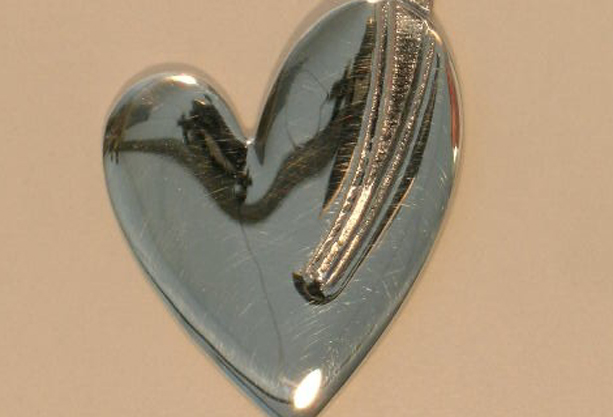
Silver plating surface stains can compromise the appearance of finished components even when the underlying material is defect-free. This case study explains how contamination, insufficient cleaning and plating bath conditions can lead to staining and incomplete silver coverage. Read the full analysis to learn how to prevent these issues.

Read more