SUMMARY
The presence of oxides in objects produced in continuous casting can change the mechanical characteristics of the alloy. This type of phenomenon is generalized, it belongs to any type of production and not only to continuous casting. These oxides can come from the presence of oxygen in raw materials (Silver), or from waste in excessive quantities. These oxides modify the physical characteristics, and consequently the mechanical ones, of the final object, which will be at risk of fractures.
PROBLEM
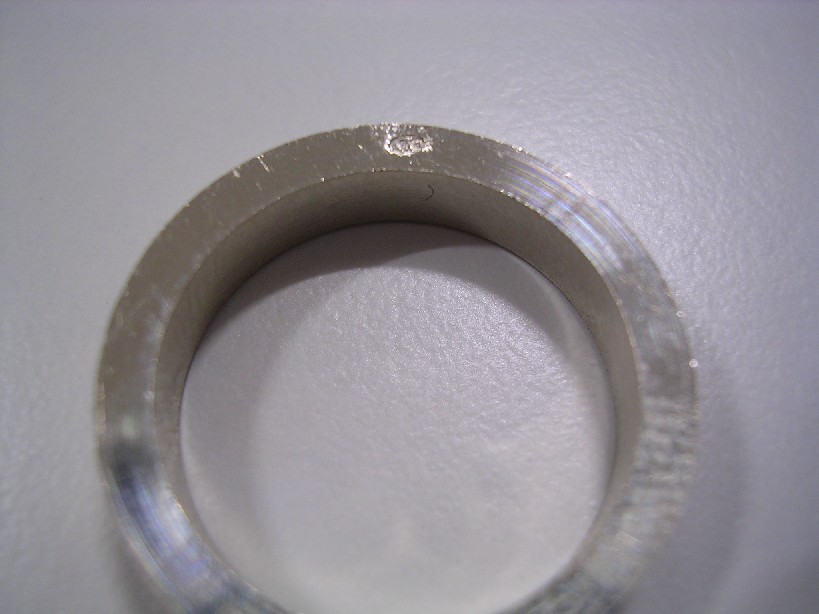
Let's examine a case of leaf removal in which, during the production of continuous casting rings and then machined with machine tools (see the first image), the material produced in continuous casting consisted of 50% waste and 50% new material.
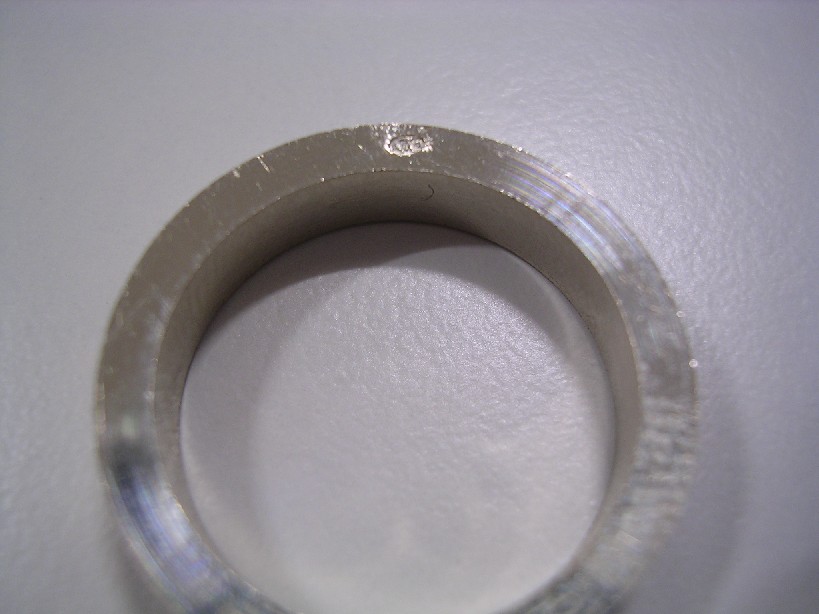
After the machine tool processing phase, the object was marked and, immediately after, had cracks. The object was examined and, after a careful analysis by metallographic attachment to the cracks, it was noted that the intergranular cracks started from the mold itself. The metallographic attack also showed a larger grain than expected from this type of alloy (grain refiner), see the next two photos.
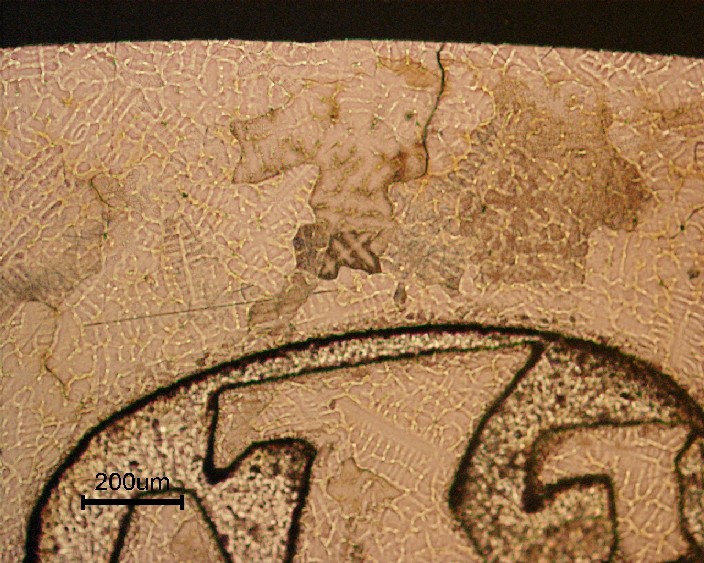
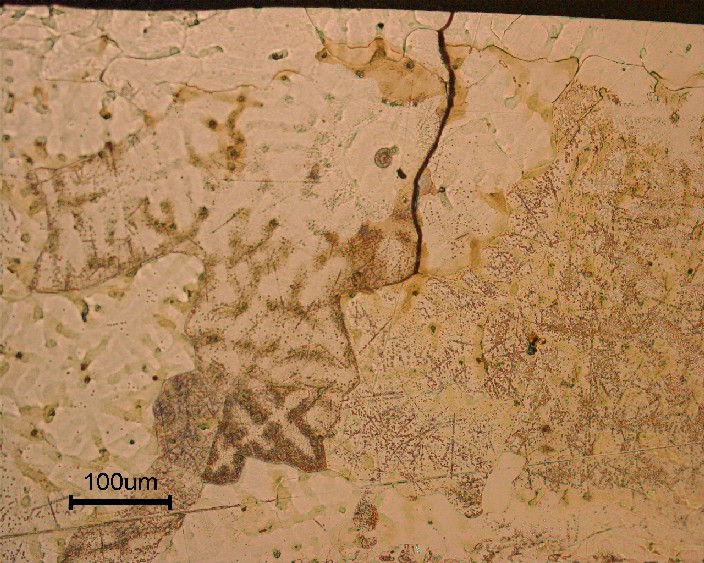
The considerations following the analyses were that the reuse of the scraps, rich in oxides, may have lowered the performance of the alloy, consequently also lowering its mechanical resistance. The marking, which is a phase of high stress since a great force is imprinted in a very small area of the object, produced the cracking because the alloy was not at its maximum mechanical strength values.
SOLUTION
To avoid the presence of oxide inclusions, which are one of the main causes of cracks and fissures in objects (produced through continuous casting and otherwise), it is recommended to:
- Reduce the percentage of scrap to the minimum possible
- Always use scrap thoroughly cleaned through acid pickling or sandblasting
- Decrease the material's lifespan through multiple refinements