SUMMARY
Cleanliness and quality of the substrate are key factors.
PROBLEM
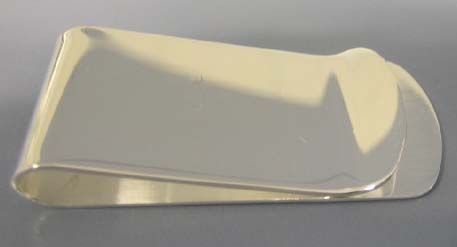
The problem manifests itself in the form of surface spots, as can be seen from the image below.
SOLUTION
The observations carried out at the SEM on analyzed samples have revealed the presence of micro-porosity on the surface of the spots, which observed at higher magnifications, are not completely covered with silver.
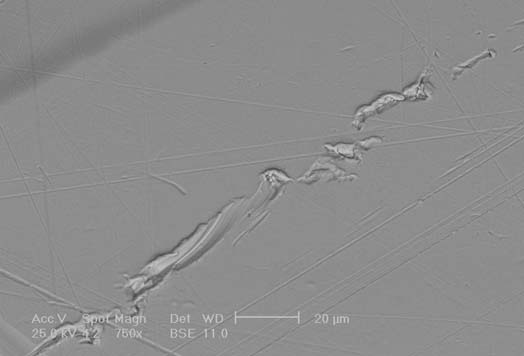
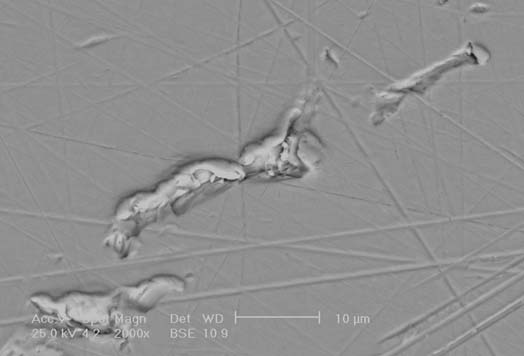
Micro-analyses carried out within the micro-porosity revealed the presence of Carbon and Copper.
After mechanically eliminating the silvering, the surface of the stain was re-examined at the SEM: on the underlying surface no type of defect due to micro-porosity was detected.
The defect may therefore depend on the fact that the surfaces of the objects are not perfectly clean before silvering or by the uncleaned galvanic bath.
It is therefore necessary to clean and degrease the surfaces very well with ultrasonic washing, then dry the pieces thoroughly in the oven and carefully check that stains are not present before silvering.
If the problem persists, it is suggested to try changing the galvanic bath and checking the quality of the final product.